Kitchen Remodeling
How Long Does a Kitchen Remodel Take in Denver?
By Alex Kissel · September 8, 2026 · 6 min read
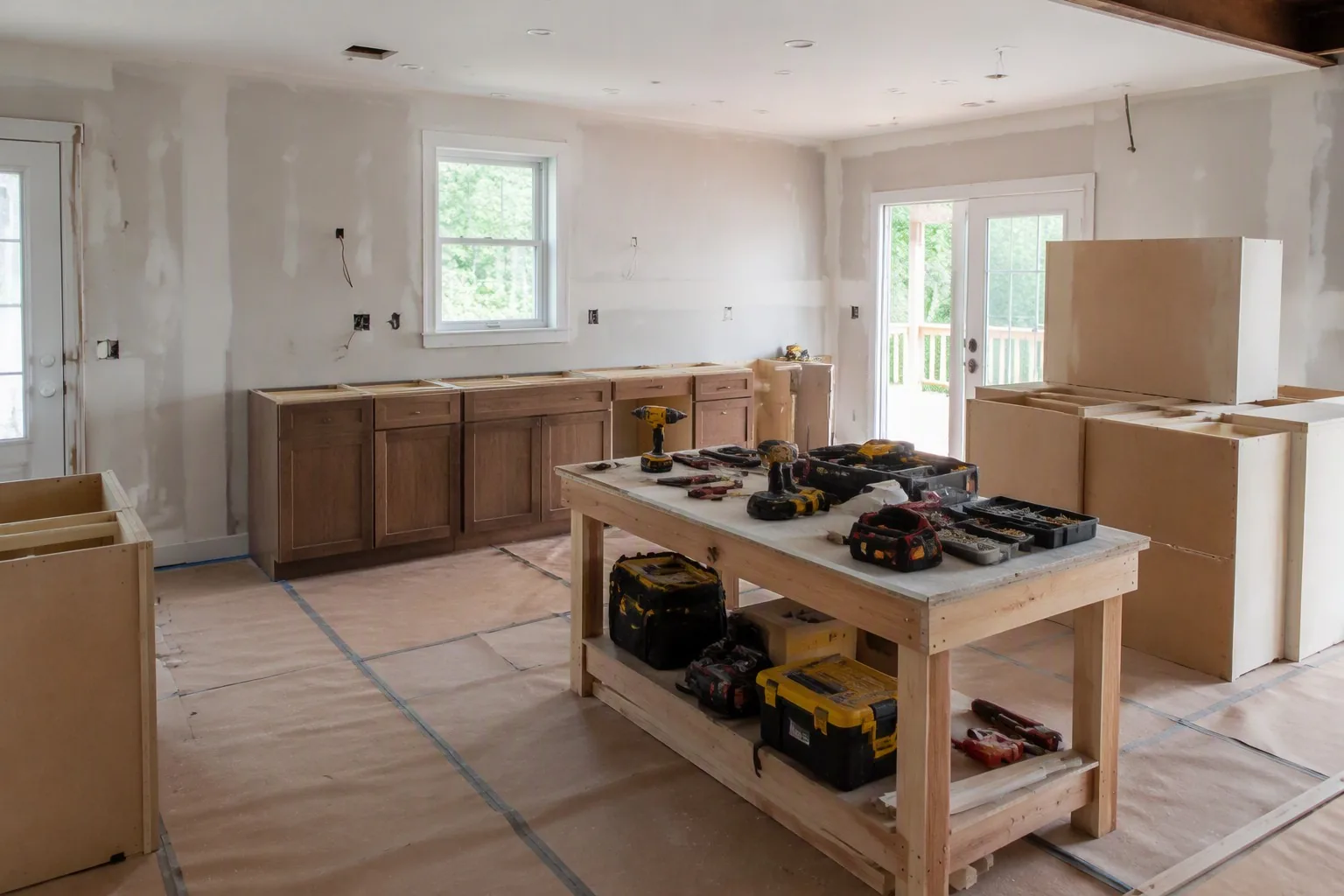
Most Denver kitchen remodels take somewhere between three days and two weeks of actual on-site construction. That range sounds wide because it is — a countertop swap and a full gut remodel are different animals. But when homeowners ask me how long a kitchen remodel takes, they usually mean the whole journey, from the first estimate to the day they cook dinner in a finished space. That honest answer is four to ten weeks, depending on scope, permits, and material lead times.
I’m Alex Kissel. My wife Daria and I run a family-owned remodeling company based in Aurora, and we’ve completed more than 200 kitchen and bathroom projects across the Denver metro — from 1950s ranches in Littleton to newer two-stories in Highlands Ranch. Here’s the timeline breakdown we give every homeowner who calls us.
The Short Answer: Timelines by Project Type
The single biggest factor in your timeline is scope. Here’s what we tell homeowners to expect for on-site work:
| Project | Starting at | On-site time |
|---|---|---|
| Countertop Replacement | $4,200 | 1–2 days |
| Kitchen Facelift | $7,900 | 3–5 days |
| Cabinet Refacing | $10,500 | 3–5 days |
| Full Kitchen Remodel | Custom quote | 7–14 days |
A facelift keeps your cabinet boxes and layout but replaces doors, drawer fronts, hardware, and surfaces. Refacing goes further with new veneer on the boxes themselves. A full remodel means demo to the studs, new cabinets, counters, plumbing, electrical, flooring, and finishes. You can see exactly what’s included in each tier on our kitchen pricing page, and our kitchen remodel cost guide explains what drives each number.
The Full Kitchen Remodel Timeline, Week by Week
For a full remodel, construction is only the middle chapter. Here’s how the whole process typically unfolds.
Weeks 1–2: Design, measurements, and selections
We start with a free in-home estimate. We measure, talk through how you use the kitchen, and give you fixed, itemized pricing — not a vague range that grows later. During this phase you’ll pick cabinets, counters, fixtures, and finishes. Homeowners who make selections quickly keep projects moving; those who deliberate for three weeks add three weeks.
Weeks 2–4: Permits and ordering
If your project involves moving plumbing, adding circuits, or removing walls, we submit permits now. At the same time, we order cabinets and countertop material. Cabinet lead times are the most common bottleneck — stock lines can arrive in days, while semi-custom orders often take three to six weeks. We don’t schedule demolition until materials are in hand or confirmed with reliable dates. Nothing wrecks a timeline like tearing out a kitchen and then waiting a month for cabinets.
Days 1–3: Demolition and rough work
Demo goes fast — usually a day or two. Then plumbers and electricians rough in any relocated lines. If we’re removing a wall, the beam and structural work happen here, followed by inspection.
Days 4–10: Cabinets, counters, and finishes
Cabinet installation takes two to three days. Once base cabinets are set and level, the countertop fabricator templates, and counters go in a few days later. Then come the backsplash, flooring transitions, fixture connections, appliance installation, paint touch-ups, and the punch list. Most of our full remodels wrap on-site work inside 7 to 14 days.
What Slows Down Kitchen Projects in Denver
After 200-plus projects, I can tell you delays almost always trace back to one of these:
- Older housing stock surprises. Denver’s 1950s–70s ranch homes — the bread and butter of Aurora, Lakewood, and Littleton remodels — often hide galvanized supply lines, cast-iron drains, undersized wiring, or old vinyl flooring that needs special handling. Homes built before 1978 can also contain lead paint, which is why we maintain EPA Lead-Safe Firm certification (NAT-F212803-1) and follow containment practices on every older home.
- Material lead times. Cabinets and quartz slabs drive the schedule. Order early; substitute late and you wait.
- Permit review queues. Simple trade permits move quickly. Structural reviews take longer, especially in busy seasons.
- Change orders mid-project. Deciding to move the sink after rough-in is the classic two-week delay. Fixed, itemized pricing protects you here — we scope everything before demo so there’s nothing to renegotiate mid-stream.
Permits: Denver CPD vs. Aurora E-Permits
In Denver, kitchen permits run through the city’s Community Planning & Development department. Straightforward plumbing and electrical permits are often issued quickly, sometimes over the counter; anything involving a removed wall goes through plan review. In Aurora, the city’s e-permits portal handles applications online, and trade permits for like-for-like replacements are usually fast. Centennial, Parker, and Highlands Ranch each have their own building departments with their own queues.
The practical takeaway: permits add days for simple work and a few weeks for structural changes — but only if nobody planned for them. We file as early as the scope allows and schedule demo around approval dates. Our kitchen remodel permits guide walks through which projects need what.
How to Keep Your Remodel on Schedule
The homeowners who finish on time share a few habits:
- Make every selection before demolition. Cabinet, counter, tile, faucet, hardware — all of it. Indecision is the number-one schedule killer.
- Approve long-lead orders immediately. When we flag a cabinet line with a five-week lead time, the clock starts at approval, not at demo.
- Freeze the layout. Moving a wall or relocating the sink after rough-in means redoing finished work and re-inspection.
- Work with one accountable contractor. When the same company handles demo, cabinets, counters, plumbing, and electrical, there’s no finger-pointing between trades when something runs late. That’s how we’re set up — one fixed quote, one crew, one point of contact.
Living Through a Kitchen Remodel
You don’t need to move out. Set up a temporary kitchen — microwave, toaster oven, coffee maker, and the fridge in the garage or dining room. Paper plates and a dish tub in the bathroom sink get you through the dusty middle week. Water shutoffs are scheduled in hours-long windows, and we tell you the day before. If you have kids or pets, plan to gate off the work zone; doors opening into the kitchen help.
Colorado’s dry air is actually your friend here — paint, adhesives, and finishes cure fast. The flip side is that new wood cabinets and hardwood flooring need to acclimate to your home’s humidity level before installation, and we build that into the schedule rather than rushing it.
When a Faster Option Makes More Sense
Sometimes the right answer to “how long will this take?” is “three days.” If your layout works and your cabinet boxes are solid, a facelift or cabinet refacing delivers most of the visual impact of a remodel in under a week, at a fraction of the cost. New counters alone transform a dated kitchen in a day or two. We talk homeowners out of full remodels all the time when a smaller scope achieves what they actually want.
Get a Real Timeline for Your Kitchen
Every kitchen is different, but the process shouldn’t be mysterious. We start with a free in-home estimate, give you fixed, itemized pricing, and put a realistic schedule in writing before any work begins. We back our work with a 1-year labor warranty, and financing is available with a soft credit check — including 0% APR for 18 months for qualified buyers.
Call us at 720.705.1461 or request your free estimate and we’ll tell you exactly how long your kitchen will take — and then we’ll hit that date.
Frequently Asked Questions
How long does a full kitchen remodel take from start to finish?
On-site construction for a full kitchen remodel typically runs 7 to 14 days. The complete process — design, selections, permits, ordering, and build — usually spans four to ten weeks depending on material lead times and permit review. Smaller scopes are faster: countertop replacement takes 1 to 2 days, and a kitchen facelift or cabinet refacing takes 3 to 5 days.
Do I need a permit for a kitchen remodel in Denver?
Purely cosmetic work — painting, swapping counters, refacing cabinets — generally doesn't require a permit. Moving plumbing, adding circuits, or removing a wall does. Denver projects go through Community Planning & Development; Aurora uses the city's e-permits portal. We handle permit applications as part of every project that needs one.
Can I stay in my home during a kitchen remodel?
Yes, most families do. You'll lose use of the kitchen itself, so we recommend setting up a temporary station with a microwave, coffee maker, and the refrigerator in the garage or dining room. Water and power shutoffs are measured in hours, not days. We contain dust with barriers and clean the work area daily.
What is the fastest way to update a kitchen?
Countertop replacement is the quickest meaningful upgrade — starting at $4,200 and finished in 1 to 2 days. A kitchen facelift starting at $7,900 refreshes doors, hardware, and surfaces in 3 to 5 days. Both deliver a visibly new kitchen without the timeline or cost of a full remodel.
Ready to start your project?
Schedule your free in-home estimate today. Fixed, itemized pricing — no surprises, no pressure.
Related articles
September 16, 2026
Kitchen Remodeling in Aurora, CO: A Local Homeowner's Guide
Kitchen remodeling in Aurora, CO from a local family contractor: costs, permits, layouts for Aurora's ranch homes, and how to hire the right crew for your home.
Read article
September 14, 2026
Countertop Replacement Cost in Denver: Quartz & Granite
Countertop replacement cost in Denver broken down: quartz, granite & more, with real starting prices, timelines, and tips to budget your project right.
Read article
September 12, 2026
Kitchen Remodel ROI in Denver Metro: What Adds Resale Value
Kitchen remodel ROI in Denver explained: which upgrades return the most at resale, what buyers in Aurora & the metro pay for, and where not to overspend.
Read article