Bathroom Remodeling
Does a Bathroom Remodel Pay Off in Denver's Housing Market?
By Alex Kissel · August 3, 2026 · 6 min read
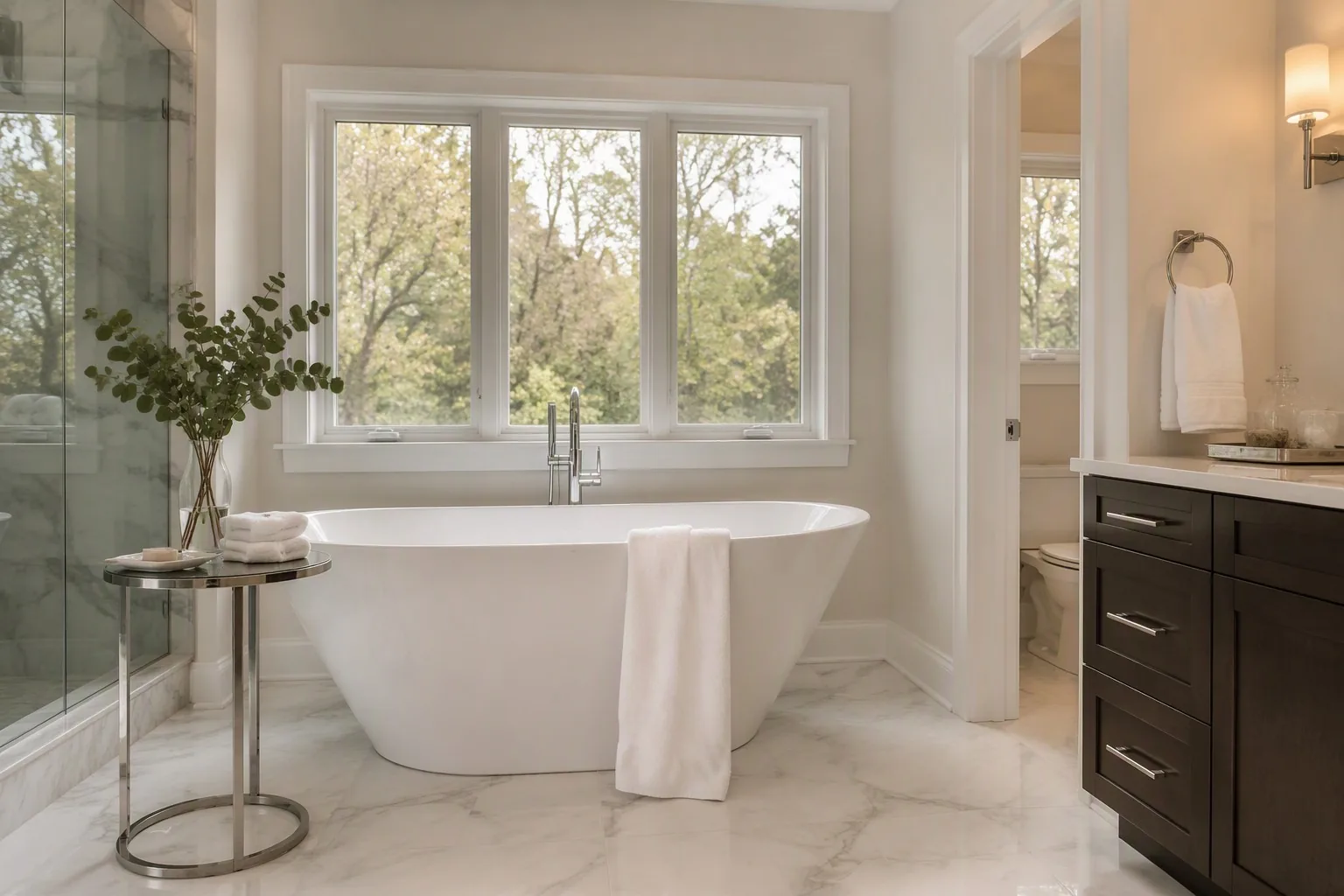
Homeowners across the Denver metro ask us some version of the same question: “If I put money into this bathroom, will I get it back?” The honest answer is: usually a good portion of it — and sometimes the bigger payoff isn’t the appraisal, it’s selling faster, avoiding buyer objections, or simply staying in a house you like instead of moving. Here’s how bathroom remodel ROI actually works in Denver’s housing market, without the inflated numbers you’ll find on remodeling websites.
The honest answer on ROI
National cost-versus-value surveys have consistently found that midrange bathroom remodels rank among the better-returning home improvement projects, typically recouping a majority of their cost at resale. We won’t quote you a precise percentage — anyone who does is guessing about your neighborhood, your buyer pool, and where the market will be when you sell.
What those same surveys show reliably, year after year, is a pattern worth building decisions around:
- Midrange projects beat upscale ones. Buyers pay for clean, functional, and modern. They rarely pay a premium for someone else’s imported tile or spa tub.
- Fixing something broken beats upgrading something dated. A failing shower is a red flag in an inspection report; a merely unfashionable vanity is a negotiating point at most.
- The return is partly speed and leverage. Updated bathrooms photograph better, attract more showings, and give buyers fewer reasons to ask for credits.
Why Denver’s housing stock changes the math
The Denver metro’s housing is unusually remodel-friendly. Vast swaths of the city and suburbs — 1900s–1930s brick bungalows in Washington Park, Park Hill, and the Highlands; 1950s–70s ranches across Aurora, Lakewood, Englewood, Littleton, Centennial, and Arvada — are solid houses with original or once-updated bathrooms. That means two things:
- Buyers comparison-shop against dated competition. When most listings in a neighborhood have 5×8 baths with aging tile and cast-iron tubs, the house with a fresh walk-in shower and modern vanity stands out in the photos and in person.
- The bones justify the investment. These homes have good framing, real brick, and established lots. Putting $15,000–$20,000 into the bathroom of a structurally sound ranch in a desirable school district is a different proposition than the same spend on a house with foundation problems.
The flip side: buyers of older homes also know what to look for. Galvanized plumbing, moisture damage, and DIY tile jobs show up in inspections. A permitted remodel with proper waterproofing — the kind documented in our bathroom remodel cost breakdown — removes objections instead of creating them.
Which bathroom projects buyers actually pay for
Not every dollar works equally hard. Based on what we see move the needle in metro Denver listings:
| Project | Starting price | Why buyers respond |
|---|---|---|
| Budget Shower Renovation (60”×30” alcove) | from $9,000 | Fresh wet area erases the most visible wear |
| Wet Area Only | from $14,900 | New tub/shower zone signals “no water damage here” |
| Tub-to-Shower Conversion | from $14,900 | Walk-in showers top buyer wish lists |
| Complete Bathroom Remodel (up to 50 sq.ft.) | from $19,700 | A fully updated bath closes the gap with new construction |
The pattern: money spent on the wet area and the surfaces buyers touch first returns best. Full details of each scope are on our pricing page. Kitchens follow similar logic — if you’re weighing both, our kitchen remodel ROI analysis covers the other half of the equation.
Where remodels don’t pay off
Equally important is what to skip when resale is the goal:
- Over-customization. Bold tile murals, unusual layouts, and taste-specific luxury finishes narrow your buyer pool rather than impressing it.
- Moving plumbing for marginal layout gains. Rerouting drains in a slab or bungalow basement is expensive, and buyers can’t see the difference in the listing photos.
- Out-upgrading the neighborhood. A $60,000 spa bath in a neighborhood of $9,000–$20,000 bathrooms won’t return its cost. Match the top of your local comp range, not a design magazine.
- Removing the only bathtub. In homes likely to attract young families, a tub-less house can shrink the buyer pool. Keep one tub somewhere if you can.
- Unpermitted work. Denver and Aurora buyers’ inspectors and appraisers notice. Unpermitted plumbing or electrical becomes a closing-table credit or a deal-killer — and it costs more to legalize after the fact than to permit up front.
Remodeling to stay: the other ROI calculation
For many metro homeowners — especially in established suburbs where aging-in-place demand keeps growing — the relevant math isn’t resale at all. Compare a $14,900 tub-to-shower conversion or a $19,700 complete remodel against the cost of moving: agent commissions, closing costs on both ends, movers, and the premium on the next house in a market where entry-level inventory has stayed tight. Remodeling to stay usually wins that comparison decisively, and you get to use the bathroom every day in the meantime.
Time horizon matters, though. Selling within a year? Scope tightly and fix what’s broken. Staying five-plus years? Remodel for how you live — accessibility features, low-maintenance surfaces like Sentrel wall systems with their lifetime warranty, and finishes suited to Colorado’s hard water — and let resale be a bonus rather than the plan. Financing with a soft credit check, including 0% APR for 18 months for qualified buyers, can make the stay-put math work even when cash is earmarked elsewhere.
Timing the market — and why you mostly shouldn’t
Homeowners sometimes ask whether to wait for a hotter market before remodeling. In practice, the timing game rarely works. Material prices, labor availability, and interest rates move on their own schedules, and the house you live in today needs a working bathroom regardless of where the market sits next spring. The Denver metro has cycled through booms and corrections before, and bathrooms remodeled to a solid, neutral standard held their appeal through all of them.
One timing factor that is real: contractor calendars. Quality metro Denver remodelers book out weeks to months, and permit queues fluctuate seasonally. Starting the estimate process early costs nothing and keeps your options open whenever you decide to proceed.
A better framework than timing: remodel when the room needs it, scope it to the neighborhood, and let the market do what it does. If a sale becomes likely within a year or two, tell us at the estimate — we’ll steer you toward the scopes with the strongest track record at resale and away from personalization buyers won’t pay for. If staying is the plan, the return clock starts the day the project finishes, measured in daily use rather than eventual dollars.
So, does it pay off?
In most Denver metro cases, yes — with three conditions: scope the project to the neighborhood, prioritize the wet area and visible surfaces, and do permitted, properly waterproofed work that survives inspection. Skip any of the three and the return erodes.
We’re a family-owned, licensed and insured General Contractor based in Aurora — Alex and Daria Kissel, 200+ completed projects, a 4.9★ Google rating from 40 reviews, and a 1-year labor warranty. We’ll walk your bathroom and give you a straight read on which scope makes sense for your house and your plans, with itemized fixed pricing. Call 720.705.1461 or schedule a free in-home estimate.
Frequently Asked Questions
What is the ROI on a bathroom remodel in Denver?
National cost-versus-value surveys have consistently placed midrange bathroom remodels among the better-returning home projects, typically recouping a majority of their cost at resale. Exact returns vary with the Denver metro market, your neighborhood, and scope. Midrange projects historically outperform upscale overhauls because buyers pay for clean and functional, not for someone else's luxury taste.
Which bathroom projects add the most value in Denver?
Tub-to-shower conversions, updated wet areas with modern low-maintenance walls, new vanities and flooring, and good lighting deliver the strongest buyer response because they are the most visible. In Denver's older bungalows and ranch homes, replacing a worn original bathroom often matters more than adding high-end finishes to one that is merely dated.
Should I remodel my bathroom before selling my Denver home?
If the bathroom is visibly failing — cracked tile, stained surrounds, leaking fixtures, dated 1960s finishes — a focused refresh usually pays because it removes a buyer objection and inspection issue. If the room is clean and functional, a large remodel right before listing rarely returns its full cost. We can walk the room and tell you which situation you are in.
Is it cheaper to remodel my bathroom or move in Denver?
For most Denver metro homeowners, remodeling is far cheaper than moving once you account for transaction costs, higher prices on the next home, and the cost of making a new house yours. A Complete Bathroom Remodel starts at $19,700 — a fraction of typical closing and moving costs — and financing with 0% APR for 18 months is available for qualified buyers.
Ready to start your project?
Schedule your free in-home estimate today. Fixed, itemized pricing — no surprises, no pressure.
Related articles
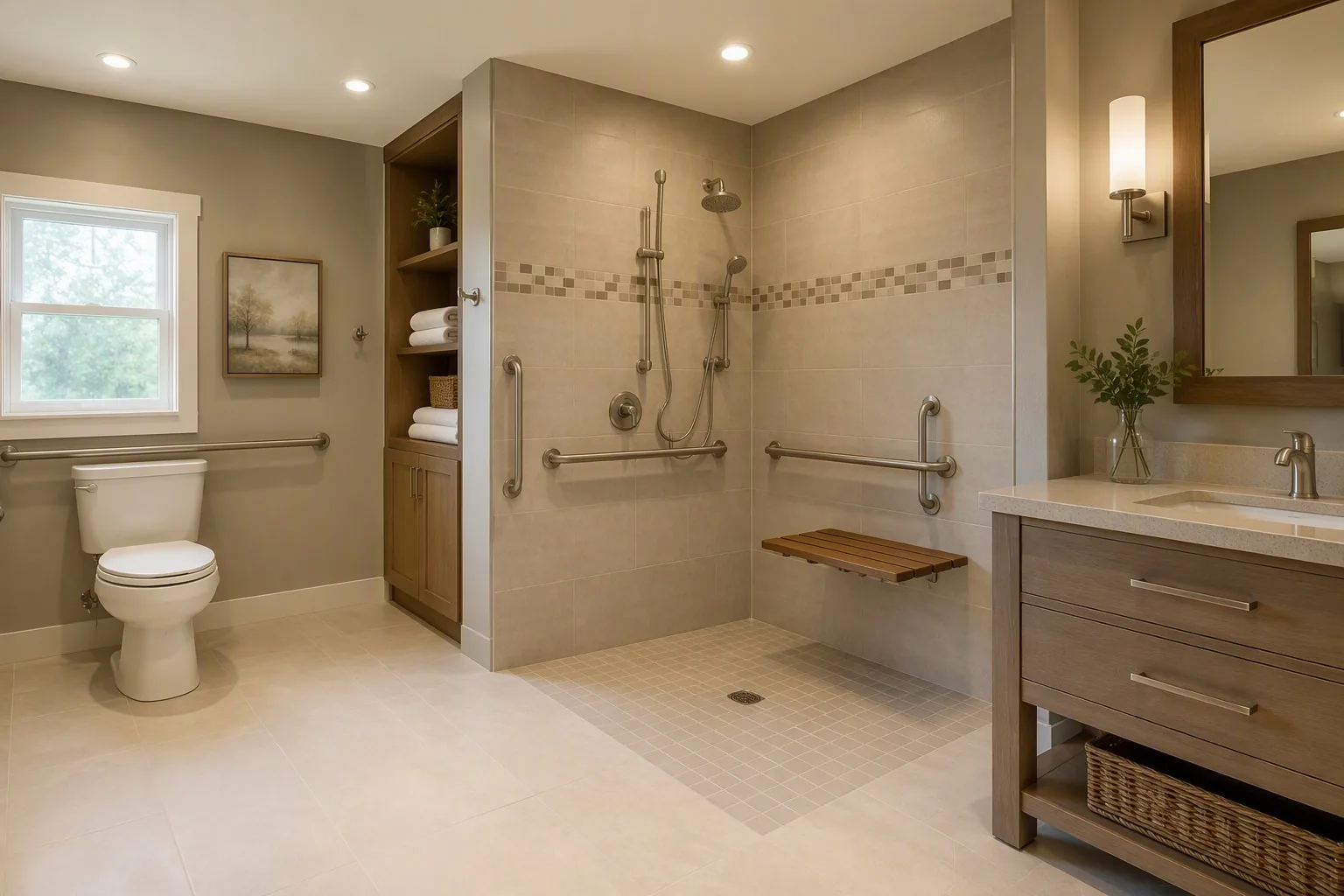
July 27, 2026
Accessible & ADA Bathroom Remodeling in Denver and Aurora
ADA bathroom remodeling Denver and Aurora guide: curbless showers, grab bars, and aging-in-place design from a licensed local contractor with fixed pricing.
Read article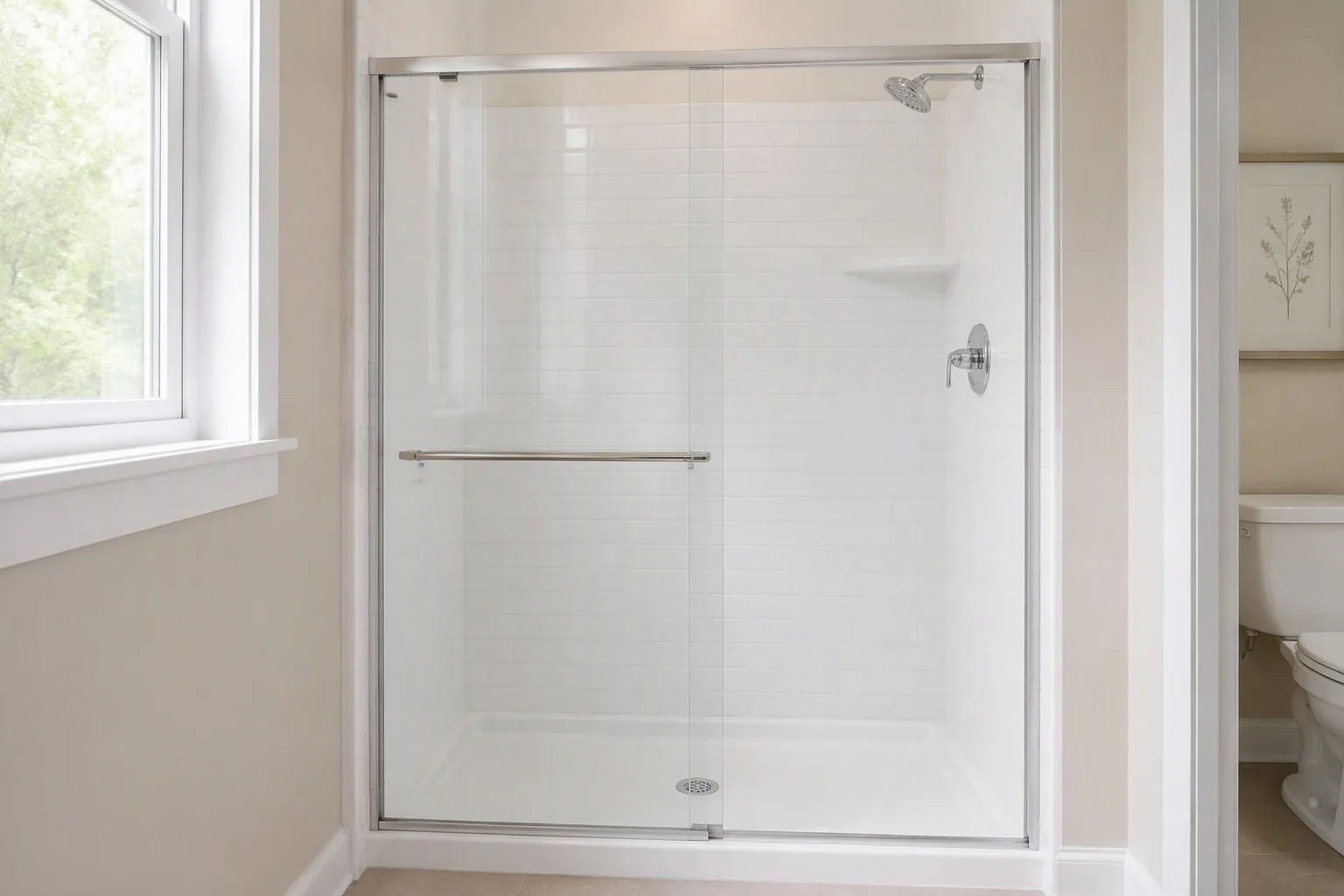
July 20, 2026
Budget Shower Renovation in Denver: What $10K Gets You
Budget shower renovation Denver guide: what under $10,000 actually buys, what's included at $6,500 and $9,000, and how to avoid cheap-remodel mistakes.
Read article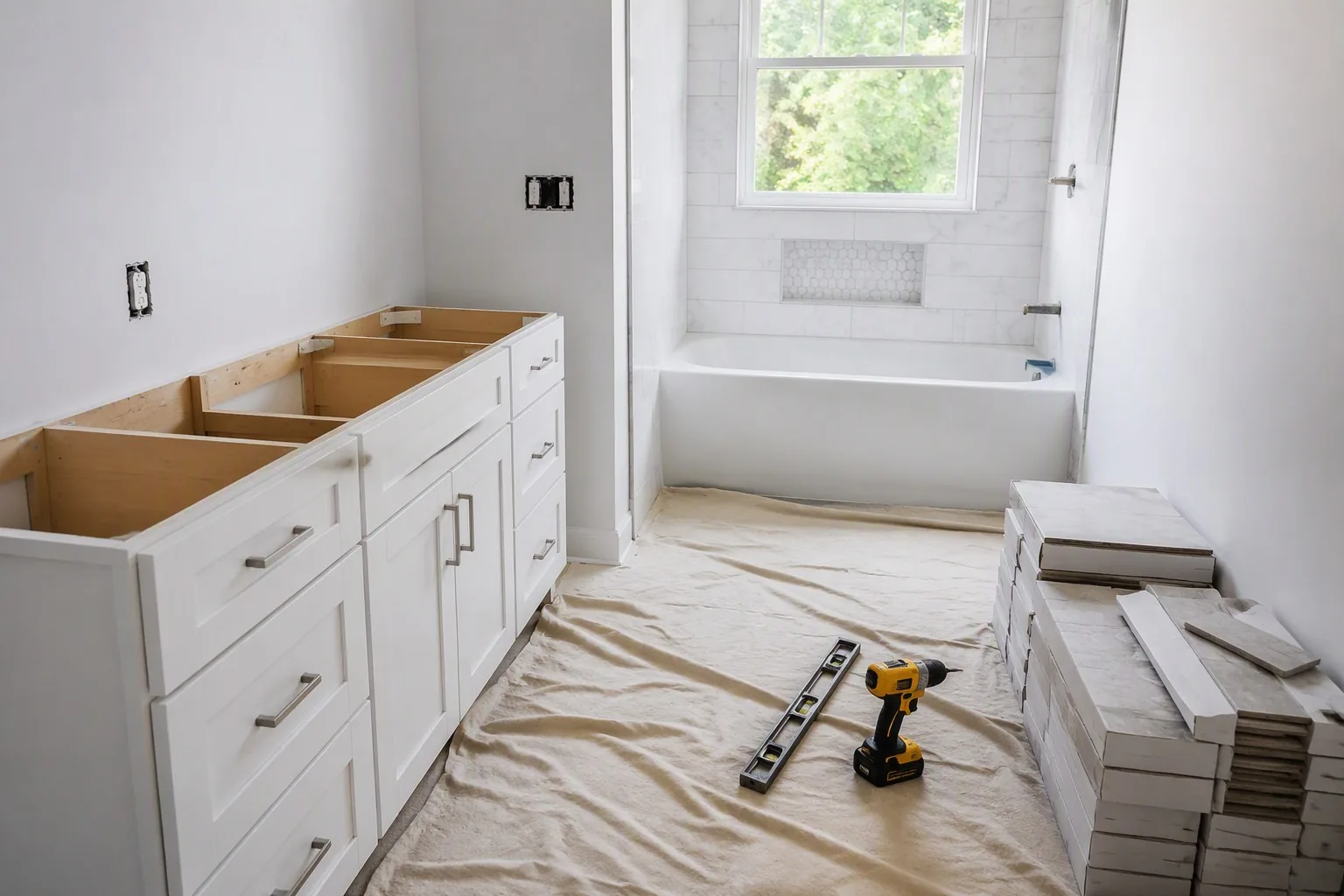
July 13, 2026
How Long Does a Bathroom Remodel Take in Denver?
How long does a bathroom remodel take in Denver? See real timelines from 1 to 12 days, plus permit lead times and tips to keep your project on schedule.
Read article