Bathroom Remodeling
Bathroom Remodel Cost in Denver, CO: 2026 Price Guide
By Alex Kissel · June 1, 2026 · 6 min read
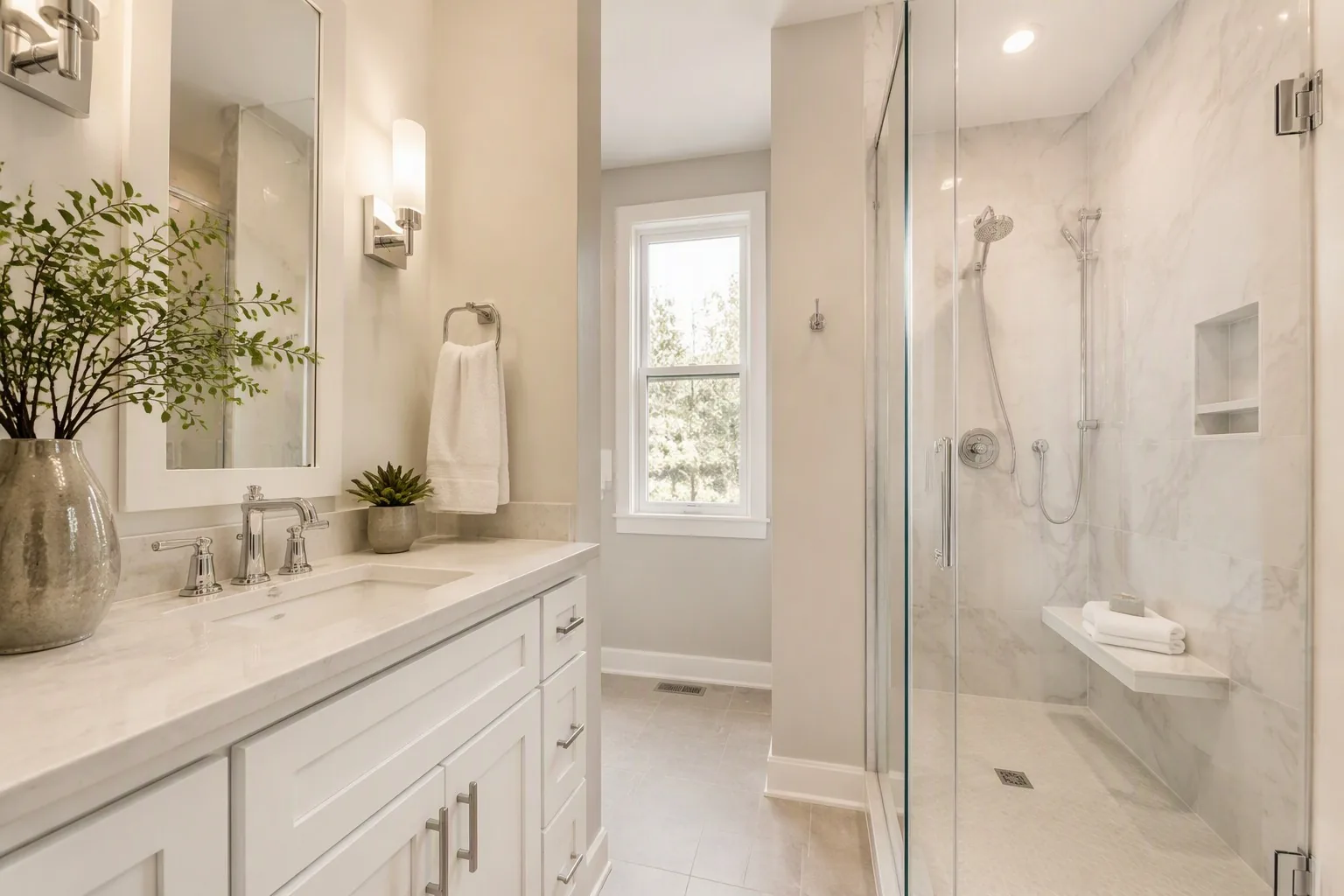
If you’re searching for bathroom remodel cost in Denver, you’ve probably already seen numbers all over the map — $5,000 on one website, $40,000 on another. Both can be true, because “bathroom remodel” covers everything from swapping out a tub surround to gutting a 100-year-old bathroom down to the studs.
We’re a family-owned remodeling company based in Aurora, and we’ve completed 200+ projects across the Denver metro. Here’s an honest breakdown of what bathrooms actually cost in this market in 2026, what pushes the price up, and how to keep your budget under control.
What a Bathroom Remodel Costs in Denver in 2026
The fastest way to understand pricing is to look at the scope of work, not the room. Here are the packages we offer, with realistic starting prices and timelines:
| Project type | Starting price | Typical timeline |
|---|---|---|
| Surrounds Only Facelift | from $6,500 | 1 day |
| Budget Shower Renovation (standard 60”×30” alcove) | from $9,000 | 2–3 days |
| Wet Area Only Renovation | from $14,900 | 3–4 days |
| Tub-to-Shower Conversion | from $14,900 | 3–4 days |
| Complete Bathroom Remodel (up to 50 sq.ft.) | from $19,700 | 5–12 days |
| ADA / Accessibility Remodel | custom quote | 4–7 days |
These are real starting points, not bait numbers. During a free in-home estimate, we measure your actual bathroom and give you a fixed, itemized price — so the number you sign is the number you pay unless you change the scope.
For context, national cost surveys put a midrange full bathroom remodel well above $20,000 in 2026, and Denver-area labor and material costs run at or slightly above the national average. If someone quotes you a full gut remodel for $8,000, ask a lot of questions before signing anything.
What Drives the Price Up (or Down)
Two bathrooms of identical size can differ by $10,000 or more. Here’s why.
Scope: wet area vs. everything
The wet area — tub, shower, and the waterproofing behind it — is the most technical and failure-prone part of any bathroom. Limiting work to that zone (or even just the wall surrounds) is the single biggest lever you have on cost. A surrounds-only facelift starting at $6,500 can transform how a bathroom looks in one day, while a complete remodel starting at $19,700 touches the vanity, flooring, toilet, lighting, and paint too.
Keeping the plumbing layout vs. moving it
Keeping the toilet, vanity, and drain locations where they are saves real money. Moving a toilet flange or rerouting a drain line through a slab or joists adds plumbing labor, patching, and often a permit and inspection. In Denver’s older housing stock, moving plumbing frequently uncovers pipe that needs replacement anyway — more on that below.
Material selections
A porcelain tile floor costs more than luxury vinyl plank. A custom tiled shower costs more than a composite wall system like Sentrel (which we compare in detail in our article on Sentrel vs tile shower walls). None of these choices is wrong — but you should make them with your eyes open about the labor hours attached.
Age and condition of the home
This is the big one in the Denver metro, and it deserves its own section.
The Hidden Costs of Older Denver and Aurora Homes
Denver’s housing stock is old. A huge share of bathrooms we work on are in 1900s–1930s bungalows in neighborhoods like Wash Park, Congress Park, and Berkeley, or in 1950s–70s ranch homes across Aurora, Lakewood, Arvada, and Littleton. Beautiful houses — with bathrooms that were never designed for modern use.
Common surprises we find once walls open up:
- Galvanized or cast-iron drain lines at the end of their service life, corroded nearly shut
- Water-damaged subfloor and joists from decades of slow leaks around tubs and toilets
- Unlevel or undersized framing that has to be corrected before anything new goes in
- Outdated electrical — no GFCI protection, ungrounded outlets, or a single 15-amp circuit feeding the whole bathroom
- Lead paint in pre-1978 homes, which legally must be handled by an EPA Lead-Safe Certified Firm (we’re certified, NAT-F212803-1)
None of this is a reason to avoid remodeling — it’s a reason to budget a contingency of roughly 10–15% on older homes and to hire a contractor who has actually opened walls in your era of house. Colorado’s dry climate is somewhat forgiving of old moisture damage compared to humid states, but slow plumbing leaks don’t care about humidity, and hard water deposits accelerate valve and fixture wear.
Permits and Inspection Costs
Depending on scope, your project may need a permit through Denver Community Planning & Development (or your city’s building department — Aurora, Lakewood, Centennial, and the others each run their own). Moving plumbing, adding circuits, or changing the structure generally requires one; like-for-like fixture swaps generally don’t. We wrote a full breakdown in our guide to bathroom remodel permits in Denver.
Permit fees themselves are usually a few hundred dollars — the real cost of unpermitted work shows up later, at resale or when a claim gets denied. As a licensed and insured General Contractor, we pull the permits our projects require and schedule the inspections.
How to Keep Your Budget Under Control
Practical advice from 200+ projects:
- Fix the scope before you fix the materials. Decide “wet area only” vs. “full remodel” first; it changes the budget more than any tile choice.
- Don’t move plumbing unless it buys you real function. A better layout is worth it; moving a toilet two feet for aesthetics usually isn’t.
- Choose one splurge. A statement vanity or a frameless glass door, not both on a tight budget.
- Use composite wall systems in the shower. Sentrel gives you the look of stone or tile at a fraction of the labor cost, with a lifetime warranty, and it shrugs off Colorado’s hard water better than grout.
- Get a fixed, itemized price in writing. “Allowances” and vague line items are where budgets go to die.
- Ask about financing. We offer financing with a soft credit check, and qualified buyers can get 0% APR for 18 months — often smarter than cutting scope to fit cash on hand.
Why the Cheapest Bid Usually Isn’t
In this market, an unusually low bid almost always means one of three things: unlicensed labor, no insurance, or a scope that will “grow” once demolition starts. Any of the three leaves you holding the risk. Verify the contractor’s license and insurance, ask who pulls the permit, and ask what happens if the price changes mid-project. Our labor carries a 1-year warranty, and our Google rating of 4.9 stars across 40 reviews reflects what happens when pricing is fixed and honest from day one.
Get a Fixed Price on Your Bathroom
Online cost guides can get you in the ballpark, but every bathroom in the Denver metro is different — the era of the house, the condition behind the walls, and what you want out of the space. The fastest way to a real number is a free in-home estimate. We’ll measure, talk through options at every budget level, and leave you with a fixed, itemized quote.
Call us at 720.705.1461 or schedule your free estimate — we serve Denver, Aurora, Lakewood, Centennial, Highlands Ranch, Parker, Arvada, Littleton, Boulder, and the surrounding metro.
Frequently Asked Questions
How much does a bathroom remodel cost in Denver in 2026?
In the Denver metro, a focused wet-area renovation typically starts around $14,900, while a complete bathroom remodel starts around $19,700 for a bathroom up to 50 square feet. Smaller scoped projects like a surrounds-only facelift start around $6,500. Older Denver and Aurora homes often need plumbing or subfloor work, which raises the total.
Why do bathroom remodels in older Denver homes cost more?
Denver bungalows from the 1900s-1930s and 1950s-70s ranch homes in Aurora and Lakewood often hide galvanized or cast-iron drain lines, undersized supply piping, uneven framing, and lead paint. Opening walls can reveal problems that must be corrected to pass inspection, which adds labor and material cost to the project.
Is a bathroom remodel worth the money in Colorado?
Usually, yes. Midrange bathroom remodels consistently recover a large share of their cost at resale, and in the competitive Denver metro market an updated bathroom helps homes sell faster. Beyond resale, you gain daily comfort, lower water bills from efficient fixtures, and fewer maintenance problems from failing grout and caulk.
Can I finance a bathroom remodel in Denver?
Yes. Kissel's Bath and Kitchen offers financing with a soft credit check, and qualified buyers can get 0% APR for 18 months. That lets you spread the cost of a remodel over time without interest, instead of settling for a partial fix that you will need to redo later.
Ready to start your project?
Schedule your free in-home estimate today. Fixed, itemized pricing — no surprises, no pressure.
Related articles
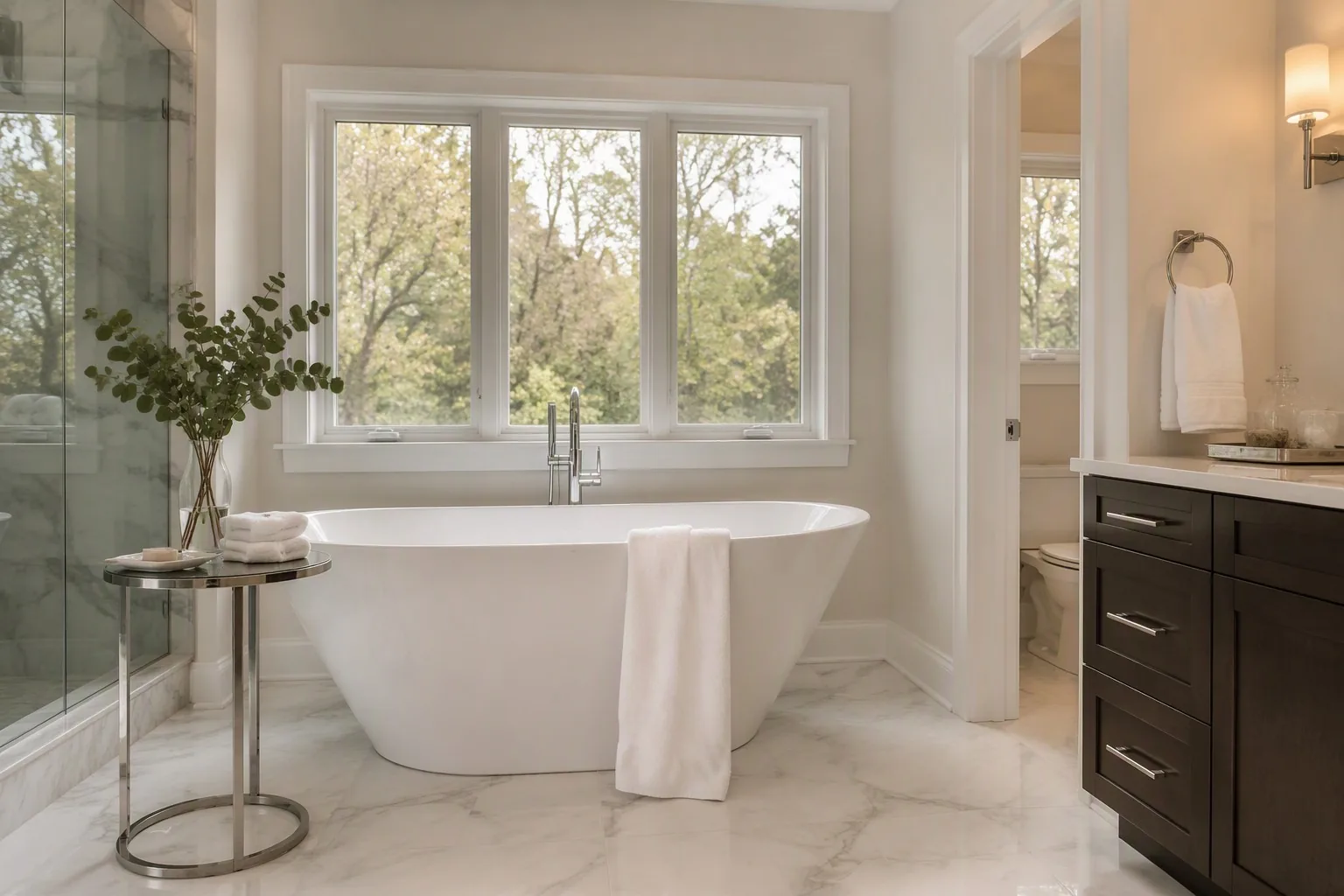
August 3, 2026
Does a Bathroom Remodel Pay Off in Denver's Housing Market?
Bathroom remodel ROI Denver guide: which projects buyers actually pay for, realistic return expectations, and when remodeling beats moving in the metro.
Read article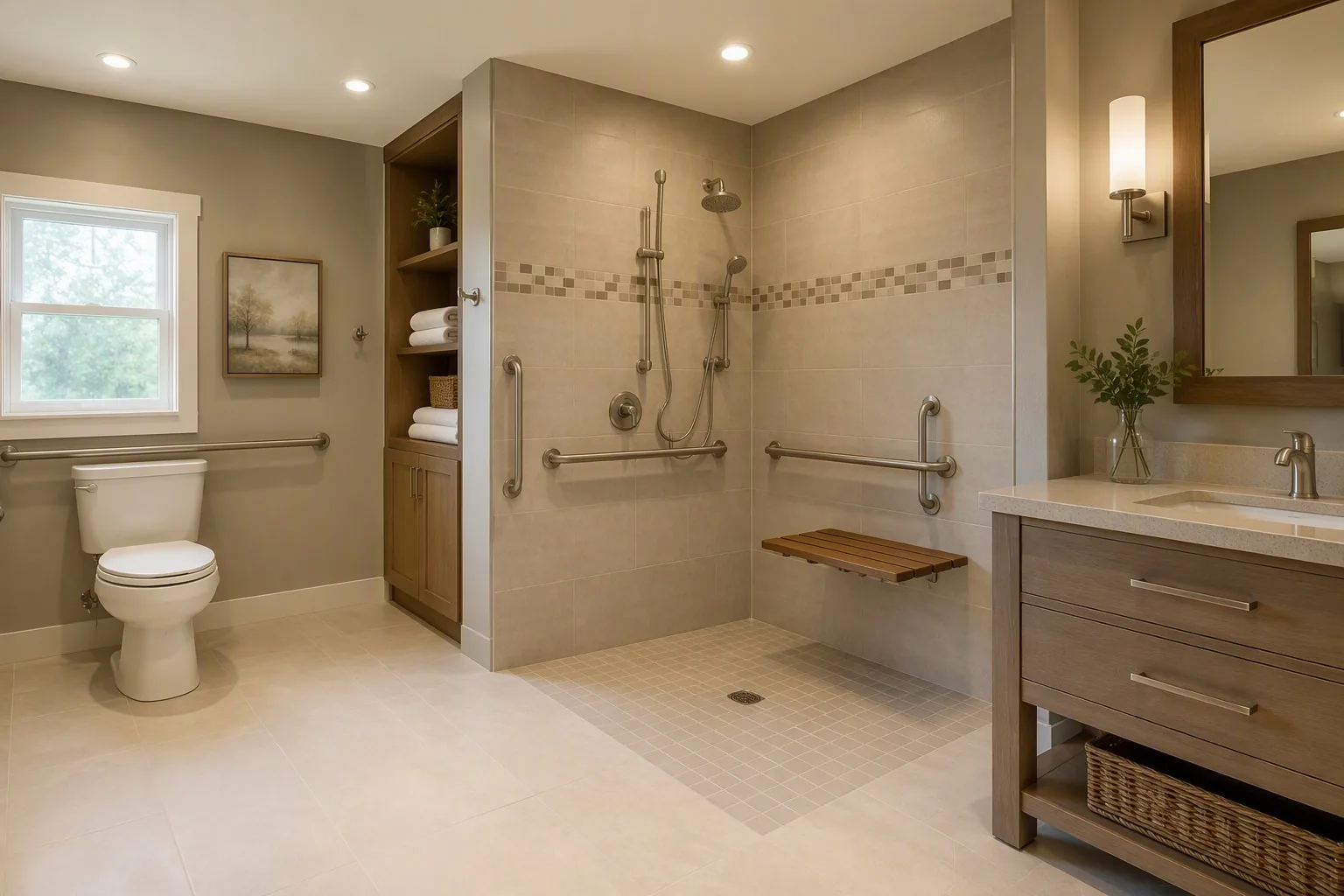
July 27, 2026
Accessible & ADA Bathroom Remodeling in Denver and Aurora
ADA bathroom remodeling Denver and Aurora guide: curbless showers, grab bars, and aging-in-place design from a licensed local contractor with fixed pricing.
Read article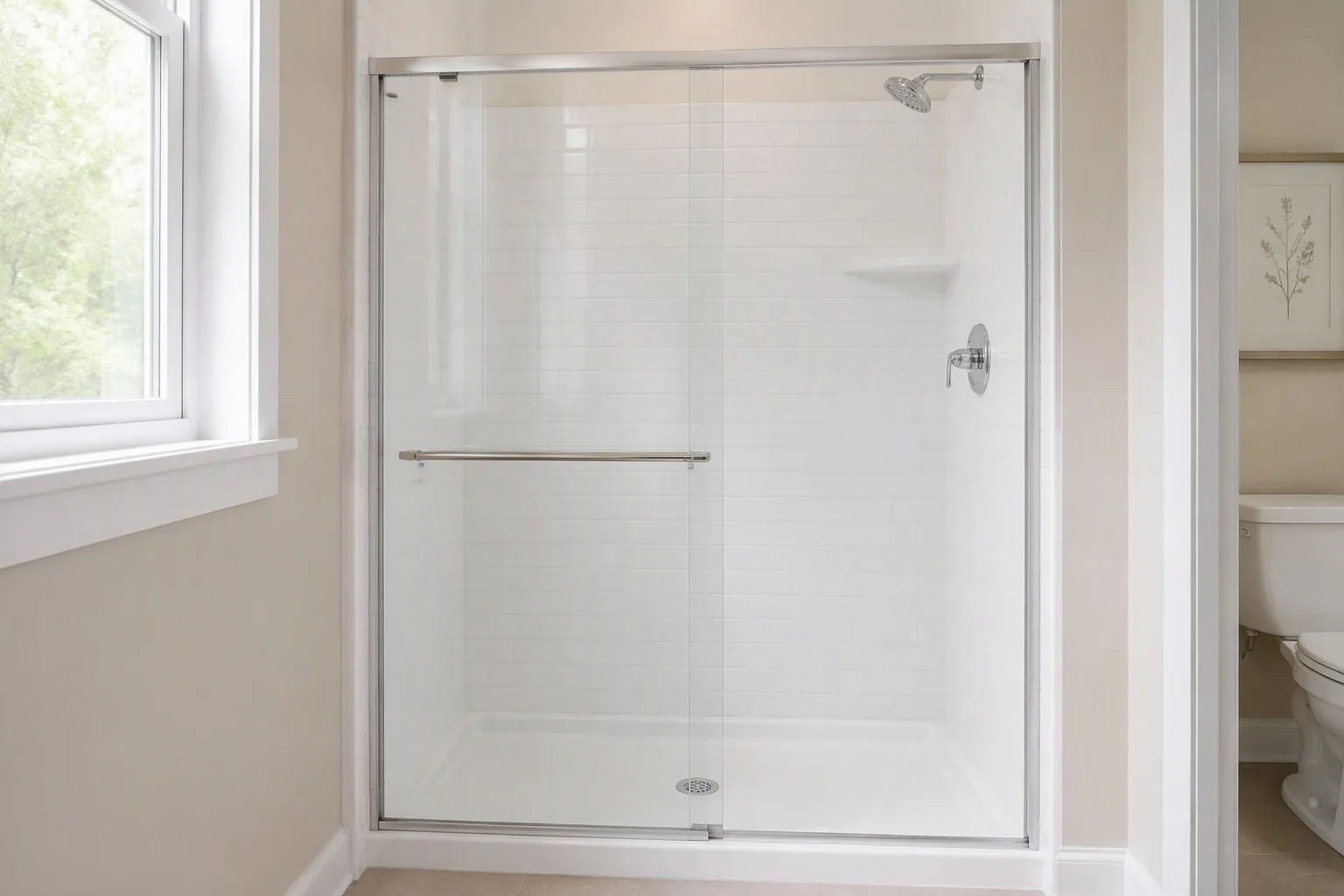
July 20, 2026
Budget Shower Renovation in Denver: What $10K Gets You
Budget shower renovation Denver guide: what under $10,000 actually buys, what's included at $6,500 and $9,000, and how to avoid cheap-remodel mistakes.
Read article